Pain after treatment: what your dentist expects
Some discomfort after dental treatment is normal. Knowing what your dentist expects helps you spot what is not.
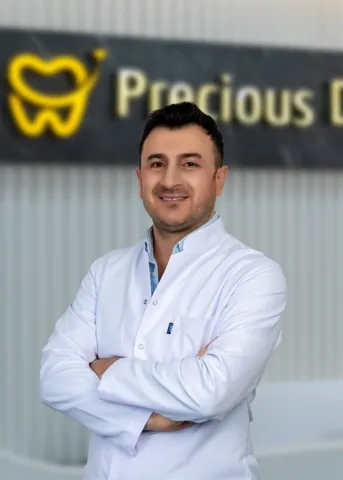 Medically reviewed by Dt. Hüseyin Yavuz Özbek, implant surgeon · Updated October 2026
After implants or extractions, expect soreness and swelling that peak around day two or three and ease within a week. After veneers or crowns, expect some sensitivity to hot and cold for a few days to weeks. Call your dentist if pain gets worse after day three, swelling keeps growing, you have a fever, bleeding will not stop, or something feels loose. Get urgent help for swelling that affects breathing or swallowing.
“Will it hurt afterwards?” is one of the first questions patients ask. The honest answer is: a bit, usually for a few days, and less than most people fear. This article explains what dentists expect after each kind of treatment, so you can tell normal healing from a problem.
After implant surgery and extractions
| When | What is normal |
|---|---|
| First hours | Numbness wearing off, oozing of blood, a dull ache |
| Days 2–3 | Swelling and soreness at their peak; sometimes bruising on the cheek |
| Days 4–7 | Steady improvement |
| Week 2 | Mild tenderness; stitches may be removed |
Full-arch surgery with several extractions usually means more swelling than a single implant. Take painkillers as prescribed, on time, rather than waiting for the pain. Use cold packs on the first day. Read implant aftercare.
After veneers and crowns
- Sensitivity to hot, cold or sweet for a few days or weeks is common, especially after crowns.
- Sore gums around the edges for a day or two.
- A strange feeling as your tongue and lips get used to new shapes.
- A high bite: if one tooth hits first, it can ache. Tell your dentist; it is an easy fix.
After root canal treatment
Tenderness when biting for a few days is normal. The NHS notes that a tooth can feel sore after treatment. Pain that keeps getting worse is not normal.
When to contact your dentist
- Pain that gets worse after the third day, instead of better.
- Swelling that keeps growing, or spreads.
- A high temperature or feeling unwell.
- Bleeding that does not stop with firm pressure for 30 minutes.
- A bad taste, pus or a smell.
- A loose implant, temporary tooth, veneer or crown.
- Numbness of the lip or chin that does not wear off by the next day.
When to get urgent help
If swelling affects your breathing or swallowing, or spreads to your eye or neck, get emergency help: 112 in Türkiye, 999 in the UK. Do not wait for the clinic to open.
Painkillers
Your dentist will tell you what to take. Tell them about your other medicines, stomach problems or kidney problems before they prescribe. Read medicines to tell your dentist.
Back in the UK
If pain starts after you are home, send photos and a description to your Antalya dentist first. If it is urgent, see a UK dentist or call NHS 111. Read UK follow-up support.
A good dentist wants to hear from you
Patients sometimes do not report pain because they do not want to bother anyone. Please do. A dentist would far rather check something that turns out to be normal than miss an infection.
Swelling, bruising and dry socket
Swelling after implant surgery is the body’s normal response and is not a sign that something has gone wrong. It is usually worst on the second or third morning. Bruising on the cheek or under the jaw can appear a day or two after surgery, especially in older patients and those on blood thinners, and fades over a week or two like any bruise.
After an extraction, a blood clot forms in the socket. If it is lost early, the bone underneath is exposed and a strong, throbbing pain can start two to four days later, sometimes with a bad taste. This is often called dry socket. It is not dangerous, but it is painful and your dentist can treat it. Avoid smoking, spitting hard and drinking through a straw in the first days to protect the clot.
Keeping a simple pain diary
For the first week, note once a day how your pain is on a scale of 0 to 10, how much swelling you see, and which medicines you took. It takes a minute, and it makes a huge difference when you message your dentist. “Pain was 6 on day two, 4 on day three, now 7 on day five” tells a dentist far more than “it still hurts”.
Sensitivity after veneers and crowns
Teeth that have been prepared can be sensitive to cold air and drinks for a while. A toothpaste for sensitive teeth often helps. Sensitivity that is getting better each week is normal. Sensitivity that gets worse, a throbbing ache that wakes you, or pain when you bite on one tooth should be checked, as the nerve of the tooth may be irritated or the bite may be high.
Sending useful photos
When you message your dentist, send a clear photo of the area in good light, a photo of your face from the front, and a short note: when it started, how bad it is, whether you have a temperature, and what you have taken. Read UK follow-up support.
Pain and older patients
Some painkillers are not suitable for people with stomach ulcers, kidney problems, asthma or on blood thinners. If you are over 65 or take several medicines, make sure your dentist knows your full list before prescribing. Read medicines to tell your dentist.
A day-by-day guide after implant surgery
| Day | Usually | Message your dentist if |
|---|---|---|
| Day 0 | Numb, oozing, dull ache as numbness wears off | Heavy bleeding that does not slow with pressure |
| Day 1 | Swelling starting, soreness | You cannot keep fluids down |
| Day 2–3 | Swelling and soreness at their worst | High temperature, or swelling spreading to the eye or neck |
| Day 4–7 | Getting better each day | Pain getting worse, bad taste, pus |
| Week 2+ | Mild tenderness only | Anything loose, or pain returning |
Signs of a dental abscess
The NHS describes a dental abscess as a build-up of pus that can cause intense throbbing pain, swelling of the face, a high temperature and a bad taste. It advises seeing a dentist as soon as possible, and getting urgent help if swelling affects breathing, swallowing or the eye. After treatment abroad, the same applies: send photos to your Antalya dentist straight away and, if it is severe, see a UK dentist or call NHS 111. Do not wait for your next planned trip.
Toothache after crowns
The NHS toothache page explains common causes and when to see a dentist. A tooth that aches after a crown may need a bite adjustment, or the nerve may be irritated. Throbbing pain that wakes you at night is a reason to contact your dentist. Read check and adjustment appointments.
Comfort measures
- Cold packs on the cheek for the first day, wrapped in a cloth.
- Head raised on an extra pillow at night.
- Painkillers on time, as prescribed.
- Soft, cool food; avoid very hot drinks while numb.
- Gentle salt water rinses if your dentist recommends them, usually from the day after surgery.
Who to contact
While in Antalya, your clinic. Once home, your Antalya dentist first by WhatsApp with photos, and a UK dentist or NHS 111 if it is urgent. At Precious Dental, message +44 7575 589099. Read UK follow-up support and implant aftercare.
Sensitivity that lasts
If a tooth that had a crown or veneer stays sensitive for weeks, tell your dentist. It may settle with a sensitive toothpaste and time, but persistent or worsening sensitivity can mean the nerve inside the tooth is irritated, or the bite is high. Your dentist will ask you a few questions: is it short or lingering, triggered by cold or by biting, getting better or worse? Your answers help them decide whether to wait, adjust or investigate.
Pain checklist for messages
- Where exactly it hurts.
- When it started and whether it is getting better or worse.
- What triggers it: biting, cold, heat, nothing.
- Any swelling, bad taste or fever.
- What I have taken and when.
- A clear photo.
Common questions
How long does pain last after dental implants?
Most people find soreness peaks around the second or third day and settles within about a week. Painkillers taken on time help.
Is it normal for veneers to feel sensitive?
Some sensitivity to hot and cold for a few days or weeks after preparation and fitting is common. Persistent or severe pain is not; tell your dentist.
What does an infection feel like?
Pain that gets worse rather than better, swelling that grows, a bad taste, pus or a high temperature. Contact your dentist.
Who do I call at night in Antalya?
Your clinic should give you a number. Ask for it before you leave the surgery.
Sources
Checked October 2026. Where we give our own view as a clinic, we say so.
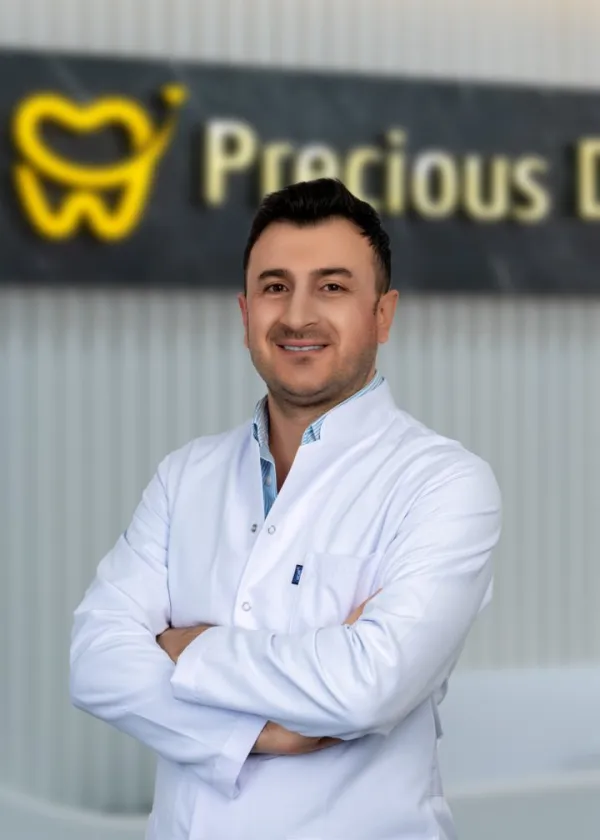
Send your question to a Precious Dental dentist
Send an X-ray or a few photos. A Precious Dental dentist will reply with a written plan and price. Ask us who would treat you at each stage. No obligation.