When a good dentist says no
A dentist who agrees to everything is easy to like. A dentist who sometimes says “not yet” or “not that” may be the one to trust.
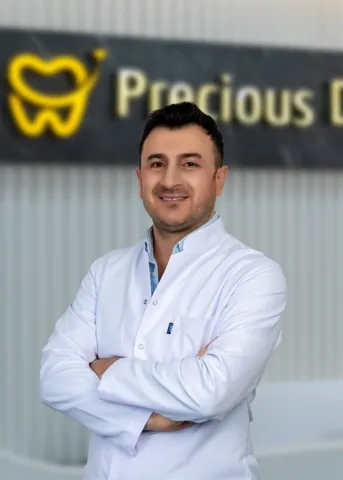 Medically reviewed by Dt. Hüseyin Yavuz Özbek, implant surgeon · Updated October 2026
A careful dentist may refuse or delay treatment if your gums are not healthy, you smoke heavily, your diabetes is not controlled, you take certain medicines, there is not enough bone, or the treatment you ask for would harm healthy teeth. They may suggest less treatment than you expected. Ask them to explain; a clear reason is a good sign.
When you compare dentists, it is tempting to favour the one who says yes to everything. But treatment that goes ahead when it should not is the main cause of problems after dental tourism. A dentist who says “no”, “not yet” or “less than that” is often protecting you.
Reasons a careful dentist may say no to implants
- Active gum disease. Bacteria that destroyed your teeth can attack implants too. Gums should be treated first.
- Heavy smoking. Smoking reduces blood flow and raises the chance of implant failure. Some dentists will only proceed if you stop.
- Uncontrolled diabetes. High blood sugar slows healing and raises infection risk.
- Some medicines. Certain osteoporosis and cancer medicines affect the jawbone. Read medicines to tell your dentist.
- Not enough bone. The dentist may need to graft first, use a different approach, or refer you.
- Unrealistic timing. Final teeth in one trip when the bone needs months.
Reasons a careful dentist may say no to veneers or crowns
- Healthy teeth. If whitening or bonding would give a good result, filing teeth for crowns is hard to justify.
- A bite problem. Grinding or a deep bite can break veneers. That needs addressing first.
- Gum disease. Veneers on unhealthy gums look poor and fail early.
- Crowded teeth that would need heavy shaping. Straightening first may be better.
- Very white, very large teeth that would not suit your face.
Saying “less”
Sometimes the answer is not no but less. Four veneers instead of ten. Saving a tooth with a root canal instead of an implant. Treating one jaw now and the other later. Precious Dental prefers to keep a healthy tooth rather than cover it, because that tooth will never be stronger than it is now.
Caution or lack of skill?
Not every no is wise. Some dentists turn down cases because they lack the training or equipment for them. The difference shows in the explanation. A careful dentist gives a specific reason tied to your mouth or health, and tells you what would make treatment possible. A dentist who lacks the skill tends to be vague.
Ask: “What would need to change for you to do this?” and “Is there someone who could?” A good dentist will answer both.
When one says yes and one says no
Ask both to explain. Show each the other’s plan if you are comfortable. Often the dentist who said yes has a technique that avoids the problem, such as angled implants instead of a graft. Sometimes they are simply willing to take a risk with your teeth. Their explanation tells you which.
Why this matters most for older patients
Many of our readers are over 50, with medicines, health conditions and teeth that have had decades of work. That is exactly when a dentist’s judgement matters most. Choose one who asks about your health in detail and is willing to say not yet. Read health conditions to tell your dentist and choosing a dentist.
Saying “not yet”
Often a dentist does not say no for ever, but not yet. Common reasons are treating gum disease first, stopping smoking for a period, getting diabetes better controlled, finishing a course of other medical treatment, or letting an extraction site heal before an implant. A delay of a few months can make the difference between treatment that lasts and treatment that fails. Ask your dentist what would need to happen and when they would be happy to go ahead.
How to respond
It is natural to feel disappointed, especially if you had planned a trip. Try not to shop around for the first dentist who will say yes. Instead, ask the dentist who said no to put their reasons in writing, and show it to the next dentist you consult. A second dentist who reads those reasons and still says yes should explain why they see it differently.
Turning down what you ask for
Sometimes the no is to a specific request: very white veneers, all teeth crowned, both jaws in one trip. A good dentist explains the risk, offers an alternative and lets you decide, within what they are willing to do safely. If they refuse something outright, it is usually because they believe it would harm you. That is a dentist protecting their patient and their own work.
When no is the wrong answer
Occasionally a dentist turns down a case that another, more experienced dentist could treat well, for example with very little bone. If you are told no because of bone, ask whether a specialist surgeon or a different technique could help, and who in Antalya does it. See the implant dentists list.
A table of common reasons and what helps
| Reason | What usually helps | Typical delay |
|---|---|---|
| Active gum disease | Gum treatment and better cleaning first | Weeks to months |
| Smoking | Stopping, at least around surgery | Your dentist will advise |
| Uncontrolled diabetes | Better control with your GP | Until results improve |
| Thin bone | Graft, sinus lift, angled implants or a specialist | Sometimes months for a graft to heal |
| Recent extraction | Letting the socket heal before an implant | Often a few months |
| Grinding | Night guard, bite assessment | Usually none, with planning |
| Unrealistic cosmetic wish | A trial smile and a frank talk | None |
What the NHS says about gum disease
The NHS describes gum disease as very common, with early signs such as bleeding gums when brushing and bad breath, and explains that it can lead to loose teeth and tooth loss if not treated. It also explains that good cleaning and regular dental visits help. For you, this is the most common “not yet”: treat the gums first, then do implants or veneers on a healthy base.
How to hear a no without losing heart
It helps to ask for three things in writing: the reason, what would need to change, and roughly when the dentist would be happy to look again. With those, a no becomes a plan. Many patients who are told “not yet” go on to have successful treatment a few months later.
Saying no to a dentist
The reverse matters too. You can say no to part of a plan. If you do not want healthy teeth crowned, or would rather keep a tooth with a root canal than replace it with an implant, say so. A good dentist will explain the trade-offs and then respect your choice, as long as it is safe.
Our approach
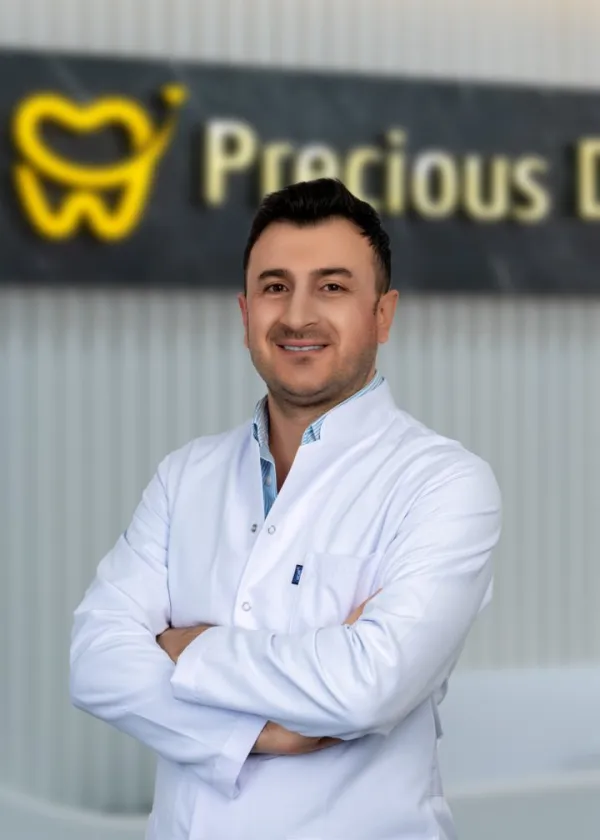
At Precious Dental, where a healthy tooth can be kept, we prefer to keep it rather than cover it. You can see the focus of each of our dentists on their profiles: Dt. Hüseyin Yavuz Özbek, Dt. Şeyda Yılmaz and Dt. Hüseyin Bayram. Read your first consultation.
No as a sign of a good clinic
A clinic that occasionally turns patients away, or asks them to wait, is a clinic that does not treat every enquiry as a sale. That is worth more than any badge on a website. When you compare dentists, notice which ones asked you the most questions before giving a plan. They are usually the ones most willing to say not yet.
Checklist after a no
- I have the reason in writing.
- I know what would need to change.
- I know roughly when to come back.
- I have shown the reason to any second dentist I ask.
Common questions
Why would a dentist refuse to do veneers?
If your teeth are healthy and the result you want would need a lot of tooth removed, or if you have untreated gum disease or a bite problem that would break veneers.
Why would a dentist delay implants?
Untreated gum disease, heavy smoking, uncontrolled diabetes, certain medicines, or not enough bone without a graft first.
Is a dentist who says no just less skilled?
Not usually. Ask for the reason. A specific clinical reason is a sign of care, not weakness.
What if another dentist says yes?
Ask both why. Sometimes the difference is skill or technique; often it is how much risk each is willing to take with your mouth.
Sources
Checked October 2026. Where we give our own view as a clinic, we say so.
Send your question to a Precious Dental dentist
Send an X-ray or a few photos. A Precious Dental dentist will reply with a written plan and price. Ask us who would treat you at each stage. No obligation.