Health conditions to tell your dentist
Your general health shapes your dental plan, especially for implants. Tell your dentist everything, even if it seems unrelated.
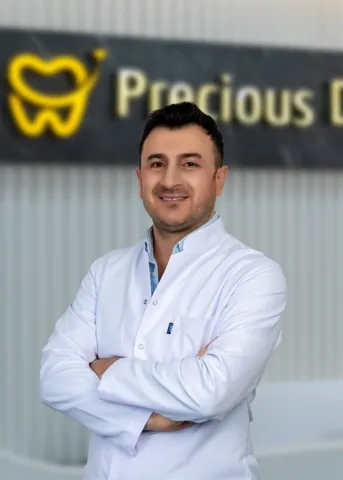 Medically reviewed by Dt. Hüseyin Yavuz Özbek, implant surgeon · Updated October 2026
Tell your dentist about diabetes, heart and blood pressure conditions, bleeding problems, osteoporosis, cancer treatment including radiotherapy to the head or neck, autoimmune conditions, pregnancy, allergies, smoking and alcohol use, and every medicine you take. These affect healing, infection risk and whether implants are safe for you. Send it in writing before you travel.
A dentist planning implants is planning minor surgery. A dentist planning crowns is planning work that relies on healthy gums. In both cases, your general health matters. This article lists what to tell your dentist and why. It is not a list of reasons you cannot have treatment: most people with these conditions can. It is a list of things your dentist needs to plan safely.
Diabetes
Diabetes affects healing and the body’s response to infection. Well-controlled diabetes is usually compatible with implants; poorly controlled diabetes raises the risk of complications. Tell your dentist which type you have, how it is treated and your recent HbA1c if you know it.
Heart and blood pressure
Tell your dentist about heart disease, heart valve problems, a pacemaker, previous heart attack or stroke, and high blood pressure. These can change how surgery is managed, what anaesthetic is used and whether antibiotics are given. Bring your medicine list.
Bleeding problems and blood thinners
If you bruise easily, have a bleeding disorder or take blood-thinning medicine, your dentist needs to know well before surgery. Do not stop any medicine on your own. Read medicines to tell your dentist.
Osteoporosis and bone medicines
Some osteoporosis medicines, especially bisphosphonates such as alendronic acid, and some cancer treatments affect how the jawbone heals. Tell your dentist if you take or have taken them, and for how long.
Cancer treatment
Radiotherapy to the head or neck changes the jawbone and can make implant surgery risky. Chemotherapy affects healing and infection. Tell your dentist about any past or current treatment.
Smoking and alcohol
Smoking is one of the biggest risk factors for implant failure and gum disease. Be honest about how much you smoke, including vaping. Heavy drinking also affects healing. The NHS has free support to quit.
Other things to mention
- Autoimmune conditions and steroid use.
- Kidney or liver disease.
- Allergies, especially to antibiotics, painkillers, latex or metals.
- Pregnancy or planning pregnancy.
- Sleep apnoea or breathing problems, if sedation is planned.
- Grinding or clenching your teeth.
- Previous problems with anaesthetic.
How to tell your dentist
Write it down. Include your conditions, every medicine with the dose, allergies, smoking and any recent hospital treatment. If your health is complex, ask your GP for a summary. Send it with your X-ray before you travel, and bring a copy to your first consultation.
What a careful dentist does with it
They ask follow-up questions. They may ask for a letter from your GP, a recent blood test or a change in timing. Occasionally they will advise against treatment or suggest a different plan. Read when a good dentist says no. A dentist who does not ask about your health at all, before implant surgery, is a dentist to avoid.
How conditions change a plan
Most of the time, telling your dentist about a health condition does not stop treatment. It changes the details. A person with diabetes may have surgery early in the day after breakfast and a longer course of follow-up. Someone on a blood thinner may have extra stitches and a dressing to control bleeding. Someone who has had radiotherapy to the jaw may be advised against implants in that area but offered another solution. A smoker may be asked to stop for a period around surgery. These adjustments are what careful dentistry looks like.
Gum disease is a health condition too
People often forget to mention bleeding gums because they think of it as a dental issue. But gum disease is the most common reason for losing teeth in adults and the main cause of problems around implants years later. The NHS describes the signs: bleeding when brushing, bad breath, receding gums and loose teeth. Tell your dentist if you have had any of these, or treatment for them.
Your age is not a condition
Being 65 or 75 does not by itself rule out implants or veneers. What matters is your general health, your bone, your medicines and whether you can look after the new teeth. Many older patients do very well. A careful dentist looks at you as a whole person, not at your date of birth.
Letters from your doctor
If you have a significant condition, such as heart disease, a recent stroke, kidney problems or cancer treatment, ask your GP or specialist for a short letter listing your conditions and medicines. It saves time, avoids mistakes and shows your Antalya dentist that your health is stable for treatment.
Changes during your trip
If you feel unwell during your stay, with a fever, chest pain, breathlessness or anything unusual, tell the clinic and seek medical help. In Türkiye, the emergency number is 112. Do not carry on with treatment while unwell.
A health summary template
Copy this, fill it in, and send it with your X-ray.
| Item | Your answer |
|---|---|
| Age | |
| Conditions (diabetes, heart, blood pressure, lungs, kidneys, liver) | |
| Operations or hospital stays in the last five years | |
| Cancer treatment, including radiotherapy to head or neck | |
| Bone medicines (tablets or injections) and for how long | |
| Blood thinners | |
| All other medicines with doses | |
| Allergies and what happened | |
| Smoking or vaping, and how much | |
| Alcohol per week | |
| Problems with anaesthetic in the past | |
| Teeth grinding, jaw pain |
Diabetes in more detail
The NHS explains that diabetes is a condition where blood sugar levels are too high, and that good control reduces the risk of complications. For dental surgery, the practical questions are: how well controlled is it now, how will meals and medicines be timed on surgery day, and what signs of infection to watch for afterwards. If you check your blood sugar at home, bring your meter. Your dentist may ask for your latest HbA1c from your GP.
Atrial fibrillation and blood thinners
Many people over 60 have atrial fibrillation, an irregular heartbeat, and take a blood thinner to reduce their stroke risk, as the NHS describes. This is one of the most common reasons a dentist needs to plan extractions and implant surgery carefully. Usually the medicine is continued and bleeding is managed locally, but the decision should be made with your doctor. Read medicines to tell your dentist.
Osteoporosis
The NHS describes osteoporosis as a condition that weakens bones. It does not in itself rule out implants, but some of the medicines used to treat it can affect jawbone healing. Tell your dentist both the condition and the treatment.
Your mouth is part of your health
Dry mouth, often caused by medicines, can increase decay and make dentures less comfortable. The NHS lists medicines and conditions that can cause it. Mention it to your dentist; it affects which materials and cleaning routines suit you. Our implant surgeon, Dt. Hüseyin Yavuz Özbek, reviews medical histories before planning surgery. Read your first consultation.
If your health changes before the second trip
Implant treatment spans months. If you are diagnosed with a new condition, start a new medicine, have an operation or are admitted to hospital between trips, tell your dentist before you fly back. A new blood thinner or bone medicine can change what happens on the second visit. So can a heart problem, a fall or a course of steroids. A short message with the details is enough; your dentist will tell you whether anything needs to change. Read treatment over two visits.
Health checklist
- Conditions listed.
- Every medicine listed with dose.
- Bone medicines and blood thinners flagged.
- Allergies and reactions written down.
- Smoking and alcohol honestly noted.
- GP letter if my health is complex.
Common questions
Can I have implants if I have diabetes?
Many people with well-controlled diabetes have implants. Uncontrolled diabetes raises the risk of infection and slow healing. Your dentist may ask for a recent HbA1c result.
Does smoking stop me having implants?
Not always, but it raises the risk of failure. Many dentists ask you to stop before and after surgery.
Should I tell my dentist about a heart condition?
Yes. Some heart conditions and medicines change how a dentist manages surgery, bleeding and infection risk.
Should I ask my GP before treatment abroad?
If you have significant health conditions, yes. Your GP can give you a summary of your conditions and medicines to take with you.
Sources
- NHS: diabetes
- NHS: quit smoking
- NHS: gum disease
- NHS: treatment abroad checklist
- NHS: atrial fibrillation
- NHS: osteoporosis
- NHS: dry mouth
Checked October 2026. Where we give our own view as a clinic, we say so.
Send your question to a Precious Dental dentist
Send an X-ray or a few photos. A Precious Dental dentist will reply with a written plan and price. Ask us who would treat you at each stage. No obligation.