The consent form: what your dentist must explain
Before treatment, you sign a consent form. It is not paperwork. It is the moment your dentist confirms you understand what you are agreeing to.
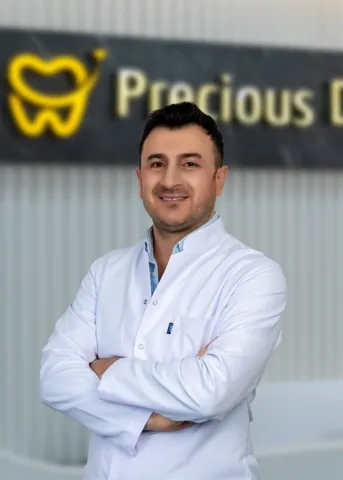 Medically reviewed by Dt. Hüseyin Yavuz Özbek, implant surgeon · Updated October 2026
Before treatment, your dentist should explain what they will do, why, the risks, the alternatives including doing nothing, and the cost, in words you understand. The consent form records that conversation. Read it in English, ask about anything unclear, and do not sign until you are ready. You can change your mind before treatment starts.
In the UK, the NHS describes consent as agreeing to treatment after you have been given the information you need to decide. The same principle applies in Türkiye. In practice, you will be given a form to sign before treatment. What matters is the conversation that should come before it.
What your dentist should explain
- What they will do, step by step, on which teeth.
- Why: what is wrong and what the treatment will achieve.
- The risks: the common ones and the serious ones. For implants, these include infection, nerve injury, sinus problems and implant failure. For veneers and crowns, sensitivity and the fact that prepared teeth cannot be restored to how they were.
- The alternatives, including smaller treatment and doing nothing.
- What happens after: recovery, aftercare, the second trip.
- The cost and what could change it.
Reading the form
Ask for the form in English. Read it before the day of treatment if you can. Check that it lists your actual treatment and teeth, not a generic list. If something on it was not explained to you, ask before you sign.
When you are tired, numb or anxious
Consent should not be signed in the chair, minutes before treatment, when you are nervous or already numb. Ask to discuss it at the consultation, ideally the day before surgery. If you are offered sedation, consent must be given before you are sedated.
Irreversible steps
Some treatment cannot be undone. Filing a tooth for a crown, taking out a tooth, placing an implant. Be sure about these. A trial smile before veneers, or a second look at the scan before an extraction, is always worth asking for. Read the trial smile.
Changes on the day
If the dentist wants to change the plan during treatment, for example extra bone graft once they see the bone, a good dentist will have discussed this possibility beforehand and included it in the consent. Ask in advance: “What might you find during surgery that would change the plan, and what would you do?”
Your companion
Bring your companion to the consent conversation. They can ask the questions you forget and remember the answers. Read bringing a companion.
Signs of a good consent conversation
- The dentist, not only the coordinator, explains it.
- You are asked whether you have questions, and given time.
- Risks are described honestly, not dismissed.
- Alternatives are offered, including less treatment.
- You leave with a copy.
If those are missing, pause. Read warning signs in the chair.
Questions to ask before you sign
- What is the most likely problem with this treatment for me?
- What is the most serious problem, even if it is rare?
- What would you do if it happened?
- What happens if I choose a smaller treatment, or none?
- Is there anything that cannot be undone?
- What might change during treatment, and will you ask me first?
Risks your dentist should mention
The list depends on your treatment. For implants, it usually includes pain, swelling and bruising; infection; bleeding; damage to nearby teeth; numbness of the lip or chin from nerve irritation in the lower jaw; problems with the sinus in the upper jaw; the implant not fusing with the bone; and gum problems around implants later. For veneers and crowns, it usually includes sensitivity, the need for root canal treatment if a nerve is irritated, chipping, and the permanence of tooth preparation. If none of these are mentioned, ask.
Consent for photos
Clinics often ask permission to use photos of your treatment for records, teaching or marketing. These should be separate choices. You can agree to clinical photos for your records and decline their use on websites or social media. Read the form carefully and tick only what you are comfortable with.
Consent and money
Some consent forms include payment terms or cancellation conditions. Read them. Make sure the price on the form matches the plan you agreed, and that any possible extras, such as bone grafts, are listed with their cost. Read talking about money with your dentist.
Keeping your copy
Take a photo of every page before you hand it back, and ask for a copy for your records. If anything goes wrong later, you and your UK dentist will want to know exactly what was agreed.
How consent works in the UK, and why it is a useful benchmark
The NHS explains that for consent to be valid, it must be voluntary, informed and given by someone with the capacity to decide. Informed means you have been told what the treatment involves, its benefits and risks, any reasonable alternatives and what would happen if you did nothing. You do not need to know Turkish law to use this as a benchmark. If a conversation in Antalya covers the same ground, you are being treated with the respect you would expect at home.
A simple way to check you understood
Before signing, try explaining the treatment back to your dentist in your own words: “So you will take out these three teeth, place six implants, fit fixed temporary teeth tomorrow, and the main risks are infection, swelling and an implant not healing.” If the dentist corrects you, good. If you cannot do it, ask them to explain again. This is sometimes called teach-back, and it works well for anyone who is nervous or tired.
What a complete form usually includes
| Section | What to check |
|---|---|
| Your details | Correct name, date of birth and medical history |
| Treatment | The actual teeth and procedures, not a generic list |
| Risks | The common and the serious ones, relevant to you |
| Alternatives | At least one, including doing less |
| Anaesthetic | Local, sedation or general, and who gives it |
| Possible changes | What the dentist may need to do if they find something unexpected |
| Treating dentist | A name and signature |
| Your signature and date | Signed when you were clear-headed |
Capacity, sedation and alcohol
You need to be able to understand and weigh up the information when you consent. That is why consent is taken before sedation, not during it, and why you should not sign forms after a few drinks at the hotel bar or when you have just woken from a nap feeling muddled. If you are very anxious, say so: a dentist can talk you through it more slowly, or arrange for you to sign the next morning. Read anaesthetic and sedation.
Consent for each stage
Implant treatment over two trips involves several decisions. The first trip covers extractions, surgery and temporary teeth. The second covers the final teeth: material, shape and colour. Expect to agree to each stage when it comes, not to sign for everything on day one. Read treatment over two visits.
Withdrawing consent
You can change your mind before treatment starts, and you can ask your dentist to stop during treatment if you are in pain or distressed, though some steps, once begun, need to be completed safely. If you are unsure on the morning of surgery, say so. A good dentist would rather postpone than treat a patient who is not ready.
If you feel the conversation was rushed
Ask for a second conversation. Write down your questions first. If you were given a form with no explanation, ask the dentist to go through it with you. Read warning signs in the chair.
See also your first consultation.
Common questions
What is informed consent?
Agreeing to treatment after the dentist has explained what it involves, the risks, the alternatives and the costs, and you have understood. The NHS describes the same principle for UK treatment.
Can I take the form away to read?
Yes. Ask for time. If treatment is the same day, ask for the form at the consultation so you can read it before.
What if the form is only in Turkish?
Ask for an English version or a written translation. Do not sign a form you cannot read.
Can I change my mind after signing?
You can withdraw consent before treatment starts. Once a tooth is prepared or an implant placed, some steps cannot be reversed, which is why the conversation before matters.
Sources
Checked October 2026. Where we give our own view as a clinic, we say so.
Send your question to a Precious Dental dentist
Send an X-ray or a few photos. A Precious Dental dentist will reply with a written plan and price. Ask us who would treat you at each stage. No obligation.