Bringing a companion to your appointments
Treatment abroad is easier with someone beside you. Here is how a companion helps, and when they should be in the room.
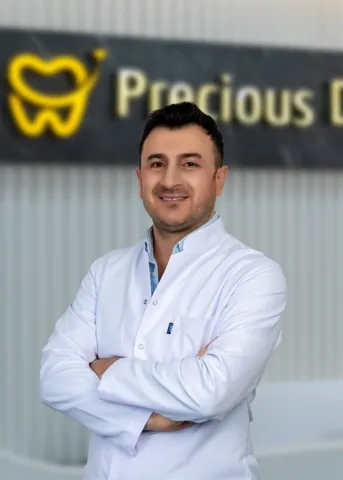 Medically reviewed by Dt. Hüseyin Yavuz Özbek, implant surgeon · Updated October 2026
A companion can join your consultation and consent conversation, take notes, ask the questions you forget, hear the aftercare instructions while you are numb or tired, take you back to the hotel after sedation, and help with soft food and medicines. Ask your dentist which appointments they can attend.
Most people who come to Antalya for dental treatment bring someone: a husband, wife, sister, friend. Some come alone and manage well. But for implant surgery especially, a companion makes a real difference.
At the consultation
Two people hear more than one. Your companion can take notes while you listen, ask the questions you forget, and help you remember what the dentist said when you talk it over that evening. If the plan changes after the scan, they can help you think it through. Read your first consultation.
At the consent conversation
This is the most important appointment for a companion to attend. Risks, alternatives and costs are explained, and decisions made. A second set of ears is valuable. Read the consent form.
On surgery day
- Travel with you to the clinic and back.
- Wait nearby during surgery.
- Listen to the aftercare instructions while you are numb or tired.
- Collect your medicines and make sure you take them.
After sedation, a companion is not optional: someone must take you back and stay with you.
During recovery
- Make soft food and fetch cold packs.
- Notice if swelling is getting worse rather than better.
- Message the clinic if you are not up to it.
- Keep you company on quiet days.
Read implant aftercare.
What a companion should not do
Answer for you. The dentist needs to hear from you about your symptoms, wishes and consent. A good companion supports; they do not decide.
Travelling alone
If you travel alone, tell the clinic early. Ask about transfers, who checks on you after surgery, and an out-of-hours number. Avoid sedation unless the clinic can arrange for someone to stay with you. Keep a written list of instructions and medicines.
At Precious Dental
Our packages include transfers between airport, hotel and clinic, and our coordinators are on WhatsApp, +44 7575 589099, throughout your stay. If you would like your companion to join your consultation, tell us when you book.
Choosing the right companion
The best companion is not always your closest relative. It is the person who stays calm, listens well and will tell you honestly if you look unwell. Someone who panics at the sight of blood, or who will spend the week at the beach, is less help than a quieter friend who will sit with you. If you have a choice, pick the person who will take notes and ask questions without taking over.
It also helps if your companion is reasonably fit and comfortable travelling. They may be carrying bags, finding pharmacies, ordering soft food in a restaurant and dealing with taxis while you rest.
A simple job list for your companion
- Before the trip: read your treatment plan and the clinic’s instructions, and keep a copy on their phone.
- At the consultation: write down what the dentist says about the plan, the risks and any changes from what you were sent.
- On surgery day: hold your phone, glasses and medicine list, and listen to the aftercare talk.
- That evening: set alarms for painkillers and antibiotics, and keep a note of what you took and when.
- Each day after: look at your face and mouth with fresh eyes. Swelling that is getting bigger after day three is worth a message to the clinic.
- Before you fly: check you have your records, medicines and written instructions.
Looking after the companion
A week of waiting rooms and soft food is tiring for the person with you too. Plan a few hours on the quiet days when they can go out while you rest at the hotel. Make sure they have the clinic’s number and your hotel address in Turkish, and that they know who to call if you are unwell at night.
When a companion is especially important
- You are having sedation or a long full-arch surgery.
- You have a health condition such as diabetes or a heart problem.
- You are very nervous about dental treatment.
- Your hearing or eyesight makes forms and instructions harder.
- English is not your first language.
In any of these cases, think twice about travelling alone. If you must, tell the clinic in advance so that a coordinator can check on you. Read nervous patients and health conditions to tell your dentist.
Practical things to sort out before you travel together
| Task | Why it matters |
|---|---|
| Share the treatment plan | Your companion can follow what the dentist says and spot changes |
| Share your medicine list | They can remind you, and tell a doctor if you are unwell |
| Save the clinic’s numbers in both phones | If your battery dies or you cannot talk, they can call |
| Write the hotel address in Turkish | Useful for taxis and pharmacies |
| Check both travel insurance policies | Your companion’s policy should cover the trip even though they are not having treatment |
| Agree a budget for extras | Soft food, taxis and an extra night if needed |
What your companion should listen for at the consultation
Ask your companion to write down four things while the dentist talks: what has changed from the plan you were sent, any risk the dentist mentions, the number of visits and appointments, and the price, including anything that might be added. These are the points people most often forget or remember differently afterwards. Comparing your companion’s notes with your own memory that evening often raises a question worth asking the next day.
Helping with medicines
After implant surgery you may have painkillers, antibiotics and a mouthwash, each with a different timetable. Being numb, tired or sedated makes it easy to miss a dose. A simple chart helps:
| Medicine | When | Taken |
|---|---|---|
| Painkiller | As prescribed, with food | Tick each time |
| Antibiotic | As prescribed, until the course ends | Tick each time |
| Mouthwash | As shown by the dentist | Tick each time |
Your companion can keep this on the bedside table. If you take blood thinners or diabetes medicines, they should know your usual routine too. Read medicines to tell your dentist.
Recognising when to call the clinic
Your companion sees you from the outside, which helps. They should message the clinic if swelling is getting larger after the third day, if you have a high temperature, if bleeding does not slow with pressure, if you seem confused or very drowsy after sedation, or if you cannot keep fluids down. For breathing difficulty or swelling that affects swallowing, they should call 112 in Türkiye straight away. Read pain after treatment.
The second trip
For implants, there are usually two trips months apart. The second is often easier, with no surgery, but a companion still helps with try-in decisions about the shape and colour of your final teeth. A second opinion from someone who knows your face is valuable at that point. Read treatment over two visits.
If your companion cannot come for the whole trip
Prioritise the days around surgery or tooth preparation: the consultation, the treatment day and the first two days after. The final check is the next most useful appointment, as it is when records and aftercare instructions are handed over.
Companion checklist
- Has a copy of the plan and medicine list.
- Has the clinic’s numbers and hotel address.
- Will attend consultation and consent.
- Will be there on surgery day and the night after.
Common questions
Can my companion come into the treatment room?
Often for the consultation, and sometimes during treatment. Ask your dentist.
Do I need a companion for sedation?
Yes. Someone must take you back to the hotel and stay with you after sedation.
What if I am travelling alone?
Tell the clinic. They can arrange transfers and check on you. Avoid sedation unless they can make arrangements.
Does my companion need to stay at the same hotel?
It is easiest. Packages often include a double room; ask.
Sources
Checked October 2026. Where we give our own view as a clinic, we say so.
Send your question to a Precious Dental dentist
Send an X-ray or a few photos. A Precious Dental dentist will reply with a written plan and price. Ask us who would treat you at each stage. No obligation.